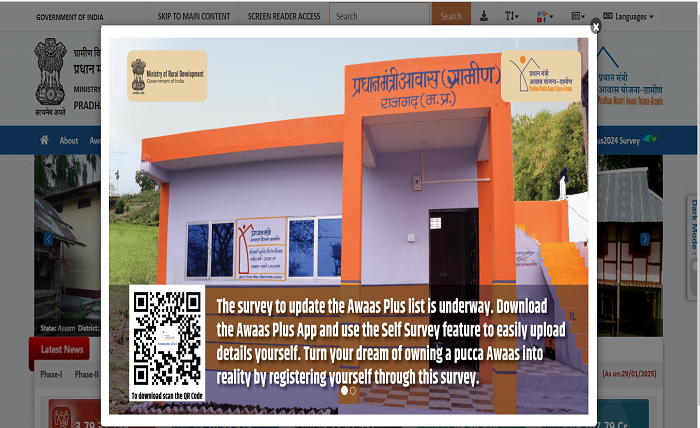
The PMAYG (Pradhan Mantri Awas Yojana Gramin) is a flagship initiative by the Government of India aimed at providing affordable housing to rural citizens. Under PMAYG, beneficiaries receive financial assistance to construct or enhance their homes. Launched in 2016, PMAYG seeks to ensure “Housing for All” in rural areas by 2022. The scheme prioritizes economically weaker sections (EWS), scheduled castes, scheduled tribes, and other vulnerable groups. By implementing PMAYG, the government aims to improve living conditions and promote socio-economic development in rural India.
Eligibility Criteria for PMAYG
Understanding the PMAYG eligibility criteria is crucial for applicants. To qualify for PMAYG, individuals must belong to the Below Poverty Line (BPL) category or identified vulnerable groups. Households without a pucca house are prioritized under PMAYG. Additionally, applicants should not own a home previously constructed under any government scheme. Women, especially widows and single female heads of households, are given preference in PMAYG. These eligibility measures ensure that the benefits of PMAYG reach the most deserving rural citizens.
Financial Assistance Provided Under PMAYG
One of the most significant aspects of PMAYG is the financial support offered to beneficiaries. The scheme provides a subsidy ranging between ₹1.2 lakh to ₹1.3 lakh for constructing new houses under PMAYG, depending on the region and construction requirements. For the northeastern states and hilly areas, PMAYG offers slightly higher assistance to account for the cost of construction. Additionally, the funds are released in stages as the house is constructed, ensuring proper utilization under PMAYG. This financial aid empowers rural households to build safe and durable homes without financial burden.
How to Apply for PMAYG
Applying for PMAYG is a straightforward process designed to be accessible for rural residents. Eligible applicants can submit their applications online through the official PMAYG portal or offline at local Gram Panchayats. Required documents for PMAYG include identity proof, income certificate, and BPL card details. After submission, applications are verified by authorities to ensure compliance with PMAYG eligibility norms. Once approved, beneficiaries are included in the PMAYG list, and construction support is provided. Timely and accurate documentation simplifies the application process under PMAYG.
Benefits of PMAYG
The benefits of PMAYG extend beyond providing a physical home. Beneficiaries under PMAYG gain access to safer and more durable housing, improved sanitation, and better overall living standards. Women beneficiaries receive empowerment by being registered as the primary owners of their houses under PMAYG, fostering gender equality. Additionally, PMAYG contributes to rural employment through construction activities, boosting local economies. By availing PMAYG benefits, rural households can break the cycle of poverty and enhance their quality of life.
PMAYG and Its Role in Rural Development
PMAYG plays a crucial role in the holistic development of rural areas. By providing adequate housing, PMAYG addresses issues of homelessness and substandard living conditions. Improved housing under PMAYG leads to better health outcomes, reduced disease transmission, and greater social stability. Infrastructure development through PMAYG also complements other government schemes, creating an integrated approach to rural upliftment. Overall, PMAYG not only provides shelter but also drives economic, social, and environmental benefits in villages across India.
Challenges and Solutions in PMAYG Implementation
Despite its advantages, PMAYG faces implementation challenges, including delays in fund disbursement, incomplete documentation, and lack of awareness among rural residents. To overcome these issues, authorities are improving digital access, conducting awareness campaigns, and ensuring timely inspections under PMAYG. Additionally, community participation and monitoring enhance transparency and effectiveness. By addressing these hurdles, PMAYG can achieve its goal of providing safe and affordable housing to every eligible rural household.
Future of PMAYG
The future of PMAYG looks promising as the government continues to focus on housing for all. Technological advancements, such as GIS-based tracking and digital payment systems, improve the efficiency of PMAYG implementation. Expansion of beneficiary coverage and integration with other rural development schemes ensure that PMAYG remains impactful. With continued support, PMAYG has the potential to transform rural India by providing secure homes, better living conditions, and sustainable development opportunities.
Conclusion
In conclusion, PMAYG is a transformative initiative that addresses one of the most fundamental human needs—adequate shelter. By offering financial assistance, promoting gender equality, and fostering rural development, PMAYG significantly improves the quality of life for millions of rural households. Awareness, timely application, and proper implementation are key to fully benefiting from PMAYG. As India moves towards its vision of “Housing for All,” PMAYG remains a cornerstone of rural empowerment and socio-economic progress.
FAQs
Q1: Who is eligible to apply for PMAYG?
A1: Eligibility for PMAYG includes BPL households, scheduled castes, scheduled tribes, and single women heads of households without a pucca house.
Q2: How much financial assistance does PMAYG provide?
A2: PMAYG offers ₹1.2 lakh to ₹1.3 lakh for house construction, with slightly higher amounts for hilly and northeastern regions.
Q3: Can I apply online for PMAYG?
A3: Yes, applications for PMAYG can be submitted online via the official portal or offline at local Gram Panchayats.
Q4: What documents are required for PMAYG?
A4: Required documents for PMAYG include identity proof, income certificate, and BPL card details for verification.
Q5: How does PMAYG benefit rural women?
A5: Under PMAYG, women are registered as primary owners of houses, empowering them and promoting gender equality in rural areas.