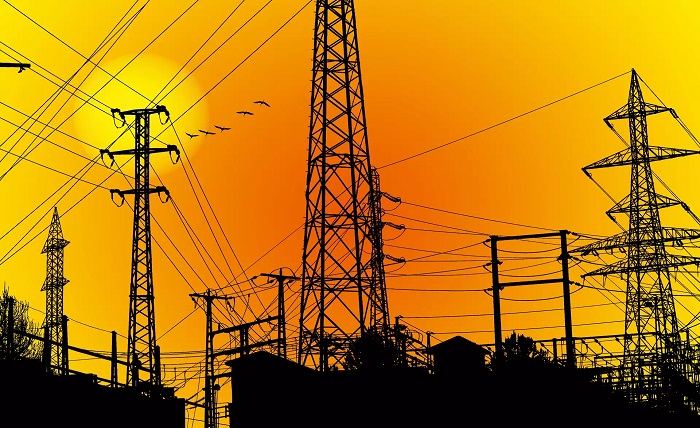
Har ghar bijli is no longer just a promise but a necessity for modern India. With the rapid pace of urbanization and industrial growth, having electricity in every home ensures that families can enjoy basic amenities, education, and health services without interruption. The government’s initiative to provide har ghar bijli demonstrates a commitment to social equity and the reduction of energy poverty across rural and urban areas.
The Importance of Har Ghar Bijli for Rural Development
Rural development depends heavily on infrastructure, and electricity is the backbone of that growth. Har ghar bijli provides households with lighting, cooking options, and connectivity, which are crucial for improving quality of life. Access to har ghar bijli enables children to study after dark, farmers to use electric-powered equipment, and entrepreneurs to expand small businesses. Thus, har ghar bijli is not just about electricity; it is a key driver of economic empowerment in rural communities.
Har Ghar Bijli and Economic Growth
The impact of har ghar bijli on economic growth is undeniable. Electrified homes mean better opportunities for work from home, small-scale industries, and online services. Businesses in regions with har ghar bijli can operate longer hours, reduce costs associated with fuel-based electricity, and adopt modern technologies. Ensuring har ghar bijli also attracts investment in rural and semi-urban areas, fostering balanced economic development nationwide.
Challenges in Implementing Har Ghar Bijli
Despite its importance, the implementation of har ghar bijli faces multiple challenges. Remote areas, difficult terrain, and high costs of infrastructure are common hurdles. Additionally, maintaining consistent electricity supply requires modern grids and technology. Overcoming these challenges is crucial for the sustainability of har ghar bijli, as intermittent electricity can undermine public trust and limit the benefits of this vital initiative.
Har Ghar Bijli and Education
Education thrives in environments with reliable electricity. With har ghar bijli, students can study at night, access online learning resources, and participate in digital classrooms. Schools equipped with electricity provide better learning tools, including computers and projectors. Therefore, the spread of har ghar bijli contributes directly to literacy improvement and skill development, preparing future generations for a competitive world.
Har Ghar Bijli and Health Benefits
Reliable electricity through har ghar bijli also has profound health benefits. Electrified homes can use refrigerators for vaccines and medicines, while health centers can operate life-saving equipment consistently. Additionally, lighting reduces accidents and enhances safety at night. By implementing har ghar bijli, communities experience improved healthcare access and outcomes, demonstrating the initiative’s broader social impact beyond just lighting homes.
Har Ghar Bijli: Renewable Energy and Sustainability
The future of har ghar bijli is closely linked with renewable energy. Solar, wind, and small hydro-power projects can ensure that electricity reaches remote regions sustainably. Integrating renewable energy solutions with har ghar bijli reduces environmental impact and energy costs. This sustainable approach ensures that every home benefits from electricity while contributing to India’s goal of a greener and cleaner future.
Conclusion
In conclusion, har ghar bijli is more than just electricity—it is a tool for education, healthcare, economic growth, and sustainable development. Every home with electricity reflects a step toward equality, comfort, and modernity. Ensuring har ghar bijli for all citizens not only empowers individuals but also strengthens the nation’s overall growth trajectory. As India continues to advance, the vision of har ghar bijli remains central to achieving inclusive progress and prosperity.
FAQs
1. What is the Har Ghar Bijli initiative?
The har ghar bijli initiative aims to provide electricity access to every household across India, especially in rural and underserved areas.
2. How does Har Ghar Bijli benefit rural communities?
Har ghar bijli supports education, healthcare, agriculture, and small businesses, fostering socio-economic development in rural regions.
3. What are the challenges of providing Har Ghar Bijli?
Challenges include high infrastructure costs, remote locations, terrain difficulties, and ensuring continuous electricity supply.
4. Can renewable energy support Har Ghar Bijli?
Yes, solar, wind, and other renewable sources are crucial for sustainable har ghar bijli, especially in areas difficult to connect to the main grid.
5. How does Har Ghar Bijli improve health and safety?
Electrified homes enable vaccine storage, safer night environments, and reliable operation of medical equipment, improving health outcomes.