Introduction
In today’s digital world, email etiquette plays a crucial role in professional communication. Whether you’re sending a quick update to a colleague or a formal proposal to a client, following proper emailetiquette ensures your message is received with clarity and respect. Ignoring emailetiquette can lead to misunderstandings, missed opportunities, and even damage to professional relationships. This guide will walk you through the essential principles of emailetiquette and how to implement them effectively.
Importance of Emailetiquette in the Workplace
Maintaining proper emailetiquette in the workplace is vital for several reasons. First, it helps establish professionalism and credibility. A well-crafted email following emailetiquette reflects your attention to detail and respect for the recipient’s time. Second, emailetiquette can prevent miscommunications, as structured emails are easier to read and understand. Finally, mastering emailetiquette contributes to better workflow and productivity, since clear, concise emails reduce the back-and-forth exchanges that often occur when messages are poorly formatted or unclear.
Key Principles of Emailetiquette
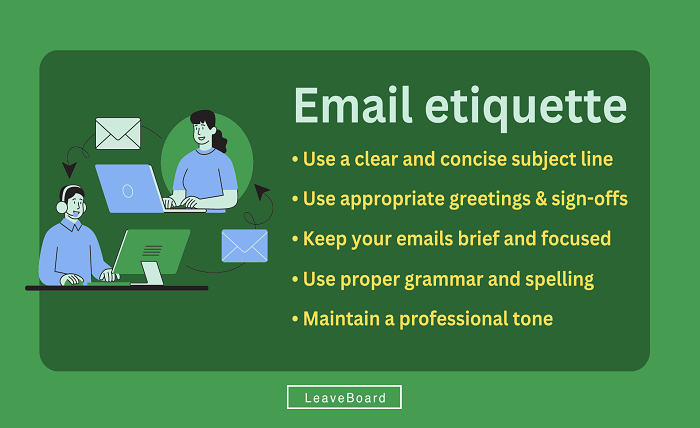
Understanding the core principles of emailetiquette is essential for effective communication. One key principle is clarity—your emails should be straightforward and easy to comprehend. Another principle of emailetiquette is tone; your language should always be professional and respectful. Additionally, emailetiquette emphasizes brevity; long-winded emails can overwhelm recipients. Attention to formatting, proper salutations, and timely responses are also crucial elements of proper emailetiquette, ensuring that every message is polished and professional.
Common Emailetiquette Mistakes to Avoid
Many professionals struggle with emailetiquette because they overlook common mistakes. One frequent error is using vague subject lines, which undermines emailetiquette by making it harder for recipients to prioritize emails. Overusing reply-all or CC can also breach emailetiquette by cluttering inboxes unnecessarily. Informal language or slang can weaken emailetiquette, especially in formal communications. Additionally, failing to proofread or check for grammatical errors violates basic emailetiquette, potentially leaving a poor impression on the reader.
Writing Professional Emails with Emailetiquette
Writing professional emails that follow emailetiquette involves several critical steps. Start with a clear, relevant subject line to capture attention. Incorporate a polite greeting, adhering to emailetiquette standards for addressing the recipient. Body content should be concise and structured, highlighting key points for better readability—a hallmark of strong emailetiquette. Conclude with a courteous sign-off and your contact information, ensuring your email complies with proper emailetiquette. By following these steps, your emails will appear professional and well-considered.
Emailetiquette for Different Scenarios
Applying emailetiquette varies depending on the context. For instance, internal workplace emails may follow slightly relaxed emailetiquette compared to formal client communications. Job application emails require strict adherence to emailetiquette, as they reflect your professionalism and attention to detail. Customer service emails also demand careful emailetiquette, as they directly impact customer satisfaction. Understanding how emailetiquette adapts to different situations allows you to maintain professionalism across all forms of digital correspondence.
Digital Tools to Enhance Emailetiquette
Modern digital tools can support emailetiquette by streamlining email communication. Email scheduling tools ensure timely responses, aligning with proper emailetiquette. Grammar and style checkers help maintain professional tone, enhancing overall emailetiquette. Templates can assist in maintaining consistency, especially in repetitive emails, without compromising emailetiquette. Additionally, email tracking tools provide insights into engagement, indirectly supporting emailetiquette by helping you understand how recipients interact with your messages.
Emailetiquette in the Age of Remote Work
Remote work has amplified the importance of emailetiquette, as much of professional communication occurs via email. Clear and polite communication becomes even more critical when face-to-face cues are absent, making emailetiquette essential for collaboration. Misunderstandings can escalate quickly without proper emailetiquette, affecting team dynamics and productivity. By emphasizing emailetiquette in remote environments, organizations can foster trust, maintain professionalism, and ensure seamless communication across digital platforms.
Conclusion
Mastering emailetiquette is not merely about following rules; it is about communicating effectively, respecting recipients, and maintaining professionalism. By understanding the principles, avoiding common mistakes, and adapting emailetiquette to different scenarios, you can strengthen your digital communication skills. Whether in the workplace or personal correspondence, proper emailetiquette enhances clarity, efficiency, and relationships, making it an indispensable skill in the modern professional landscape.
FAQs
1. What is the most important rule of emailetiquette?
The most important rule of emailetiquette is clarity. Ensuring your message is concise and understandable demonstrates professionalism and respect for the recipient.
2. How can I improve my emailetiquette?
Improving emailetiquette involves proofreading emails, using clear subject lines, maintaining a professional tone, and following standard formatting conventions.
3. Is emailetiquette different for formal and informal emails?
Yes, emailetiquette adapts based on context. Formal emails require stricter adherence to professionalism, while informal emails may have a more relaxed approach, yet still respect basic emailetiquette.
4. Can emailetiquette help in remote work communication?
Absolutely. Good emailetiquette ensures clear, polite, and structured communication, which is critical for effective remote collaboration and team productivity.
5. Are there tools to assist with emailetiquette?
Yes, tools like grammar checkers, email templates, scheduling apps, and tracking software can enhance emailetiquette by improving clarity, professionalism, and timeliness.