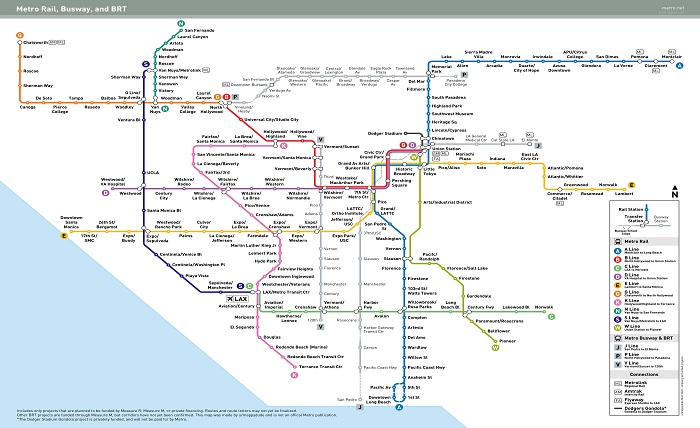
A metromap is a simplified diagram that represents underground or rapid transit rail systems in a city. Unlike geographic maps, a metromap focuses on clarity and usability rather than exact scale. It highlights routes, stations, and interchanges, making it easier for passengers to understand how to travel efficiently within a city’s transport system using a metromap.
History and Evolution of the Metromap
The concept of a metromap dates back to early subway systems in major cities like London and New York. The famous London Underground metromap redesigned in 1933 by Harry Beck revolutionized transit mapping. Over time, the metromap evolved from complex geographic drawings into clean, schematic diagrams that prioritize readability and ease of use for passengers.
Key Features of a Modern Metromap
A modern metromap includes color-coded lines, station markers, interchange points, and directional flow indicators. The simplicity of a metromap allows users to quickly identify routes without confusion. Many digital metromap systems now also include real-time updates, accessibility details, and travel time estimates, enhancing the commuter experience significantly.
How to Read and Use a Metromap Effectively
Understanding a metromap is simple once you learn its basic structure. First, identify your starting and ending stations on the metromap, then follow the colored line connecting them. Transfers are clearly marked, helping users switch lines easily. With practice, navigating a city using a metromap becomes fast, efficient, and stress-free for daily commuters.
Digital Metromap Applications in Smart Cities
In the digital age, the metromap has transformed into mobile apps and interactive platforms. These digital metromap tools provide live updates, route optimization, and even offline navigation features. Smart cities integrate metromap systems with GPS and AI to help commuters avoid delays and choose the fastest travel routes in real time.
Benefits of Using a Metromap for Travelers
A metromap offers numerous benefits, especially for tourists and new city residents. It simplifies complex transit networks and reduces travel confusion. Using a metromap, travelers can save time, reduce transportation costs, and explore cities more confidently. It also minimizes language barriers since a metromap relies heavily on visual symbols rather than text.
Common Mistakes People Make with a Metromap
Many users misinterpret distances when using a metromap, assuming it reflects real-world geography. However, a metromap is not drawn to scale, which can sometimes lead to confusion. Another common mistake is ignoring transfer points on a metromap, which can result in longer travel routes. Learning how to properly read a metromap helps avoid these issues.
Conclusion
In conclusion, the metromap is an essential tool for navigating modern urban transportation systems. It simplifies complex metro networks and makes city travel accessible to everyone. Whether in printed or digital form, a metromap continues to play a vital role in improving mobility, saving time, and enhancing the overall commuting experience.
FAQs
1.What is a metromap used for?
A metromap is used to visually represent metro and subway routes, helping passengers navigate public transportation systems easily and efficiently.
2.Is a metromap accurate to real geography?
No, a metromap is not geographically accurate. It is designed for clarity and simplicity rather than exact distances or scale.
3.How does a digital metromap work?
A digital metromap uses apps and GPS technology to provide real-time navigation, route updates, and travel planning features.
4.Why is a metromap color-coded?
A metromap uses colors to differentiate between different train lines, making it easier for users to identify and follow routes quickly.
5.Can tourists easily use a metromap?
Yes, a metromap is especially helpful for tourists because it simplifies complex transit systems and reduces confusion in unfamiliar cities.