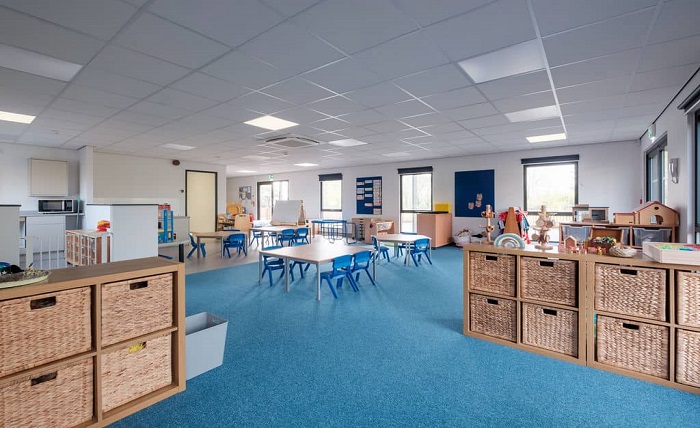
Classroom sx is rapidly becoming a central concept in modern education, blending technology, strategy, and student-centered learning to create a more effective environment. The idea behind classroom sx goes beyond traditional teaching by integrating smart tools, interactive platforms, and adaptive teaching methods that respond to student needs. Educators today are recognizing that classroom sx is not just a trend but a necessary evolution to meet the demands of digital-age learners. By focusing on engagement, collaboration, and accessibility, classroom sx helps bridge the gap between theoretical knowledge and practical application. Schools and institutions that adopt classroom sx often see improved student participation and better academic outcomes.
Classroom sx also emphasizes inclusivity and personalization, allowing teachers to tailor lessons to diverse learning styles. Whether through digital whiteboards, AI-powered tools, or collaborative software, classroom sx transforms passive learning into an active experience. This shift ensures that students are not just absorbing information but actively engaging with it, making education more meaningful and impactful.
Key Features of Classroom SX
One of the defining aspects of classroom sx is its integration of technology with pedagogy. Classroom sx environments often include smart devices, cloud-based tools, and interactive content that enhance teaching and learning. These features allow educators to present complex topics in a more digestible and engaging manner. Classroom sx also promotes real-time feedback, enabling teachers to assess student understanding instantly and adjust their teaching accordingly.
Another important feature of classroom sx is collaboration. Students can work together on projects, share ideas, and learn from each other using digital platforms. This collaborative approach not only improves communication skills but also fosters critical thinking and problem-solving abilities. Classroom sx environments are designed to encourage participation, ensuring that every student has a voice and an opportunity to contribute.
Additionally, classroom sx supports data-driven decision-making. Teachers can track student performance, identify areas of improvement, and customize lessons based on analytics. This level of insight makes classroom sx a powerful tool for enhancing educational outcomes.
Benefits of Implementing Classroom SX
The benefits of classroom sx are extensive and impactful. One of the most notable advantages of classroom sx is increased student engagement. Interactive tools and multimedia content capture students’ attention and make learning more enjoyable. When students are engaged, they are more likely to retain information and perform better academically.
Classroom sx also improves accessibility. With digital tools and online resources, students can access learning materials anytime and anywhere. This flexibility is especially beneficial for students with different learning needs or those who require additional support. Classroom sx ensures that education is not limited to the physical classroom but extends beyond it.
Another key benefit of classroom sx is efficiency. Teachers can automate administrative tasks, such as grading and attendance, allowing them to focus more on teaching. This efficiency not only saves time but also improves the overall quality of education. Classroom sx empowers educators to deliver lessons more effectively and manage their workload more efficiently.
Classroom SX and Student Engagement
Student engagement is at the heart of classroom sx. Traditional teaching methods often struggle to keep students interested, but classroom sx introduces interactive and dynamic learning experiences. Through gamification, multimedia content, and real-time interaction, classroom sx captures students’ attention and keeps them motivated.
Classroom sx also encourages active participation. Students are no longer passive listeners but active contributors to the learning process. This shift fosters a sense of ownership and responsibility, making students more invested in their education. Classroom sx creates an environment where learning is not just a task but an enjoyable experience.
Furthermore, classroom sx supports personalized learning. Teachers can adapt lessons to suit individual student needs, ensuring that everyone progresses at their own pace. This personalized approach enhances engagement and helps students achieve their full potential. Classroom sx makes learning more relevant and meaningful for each student.
Tools and Technologies in Classroom SX
The success of classroom sx relies heavily on the tools and technologies used. Smartboards, tablets, and learning management systems are common components of classroom sx environments. These tools enable teachers to deliver interactive lessons and provide students with access to a wealth of resources.
Classroom sx also incorporates artificial intelligence and data analytics. AI-powered tools can analyze student performance and provide personalized recommendations, helping teachers tailor their instruction. This level of customization is a key advantage of classroom sx, ensuring that each student receives the support they need.
Another important aspect of classroom sx is cloud-based collaboration tools. These platforms allow students to work together on projects, share ideas, and communicate effectively. Classroom sx leverages technology to create a connected and collaborative learning environment that extends beyond the classroom.
Challenges of Adopting Classroom SX
Despite its many benefits, classroom sx also presents certain challenges. One of the primary challenges of classroom sx is the cost of implementation. Schools need to invest in technology, training, and infrastructure, which can be a significant financial burden.
Another challenge of classroom sx is the need for teacher training. Educators must be equipped with the skills and knowledge to effectively use new tools and technologies. Without proper training, the potential of classroom sx may not be fully realized.
Classroom sx also raises concerns about digital distractions. While technology can enhance learning, it can also divert students’ attention if not managed properly. Teachers need to strike a balance between using technology and maintaining focus in the classroom sx environment.
Additionally, classroom sx requires reliable internet connectivity and technical support. Without these, the effectiveness of classroom sx can be compromised. Addressing these challenges is essential for the successful implementation of classroom sx.
The Future of Classroom SX
The future of classroom sx is promising, with continuous advancements in technology shaping the way education is delivered. Classroom sx is expected to become more immersive, with the integration of virtual reality and augmented reality. These technologies will provide students with hands-on learning experiences that were previously unimaginable.
Classroom sx will also continue to evolve with the use of artificial intelligence. AI will play a significant role in personalizing education, making learning more efficient and effective. As classroom sx develops, it will become more accessible, allowing more schools and institutions to benefit from its advantages.
Furthermore, classroom sx will emphasize lifelong learning. As the world changes rapidly, individuals need to continuously update their skills and knowledge. Classroom sx will support this by providing flexible and adaptive learning opportunities.
The evolution of classroom sx will redefine education, making it more dynamic, inclusive, and impactful.
Strategies for Successfully Implementing Classroom SX
Successfully implementing classroom sx requires careful planning and execution. Schools need to assess their needs and choose the right tools and technologies for their classroom sx environment. This ensures that resources are used effectively and that the implementation aligns with educational goals.
Teacher training is a critical component of classroom sx. Educators need to be confident in using new tools and integrating them into their teaching. Providing ongoing support and professional development is essential for the success of classroom sx.
Another important strategy for classroom sx is involving students in the process. Gathering feedback and understanding their needs can help create a more effective learning environment. Classroom sx should be designed with the student in mind, ensuring that it meets their expectations and enhances their learning experience.
Finally, schools should continuously evaluate and improve their classroom sx initiatives. By analyzing performance and making adjustments, they can ensure that classroom sx remains effective and relevant.
Conclusion
Classroom sx is transforming education by integrating technology, enhancing engagement, and promoting personalized learning. As schools and institutions adopt classroom sx, they are better equipped to meet the needs of modern learners. While challenges exist, the benefits of classroom sx far outweigh the drawbacks, making it a valuable approach to education. By embracing classroom sx, educators can create dynamic and inclusive learning environments that prepare students for the future. The continued evolution of classroom sx will shape the future of education, making it more accessible, effective, and engaging for all.
FAQs
1. What does classroom sx mean?
Classroom sx refers to a modern educational approach that integrates technology and interactive methods to enhance learning experiences.
2. How does classroom sx improve learning?
Classroom sx improves learning by increasing engagement, providing personalized instruction, and enabling real-time feedback.
3. What tools are used in classroom sx?
Classroom sx uses tools like smartboards, tablets, learning management systems, and AI-powered platforms.
4. What are the challenges of classroom sx?
Challenges of classroom sx include high costs, the need for teacher training, and potential digital distractions.
5. Is classroom sx the future of education?
Yes, classroom sx is considered a key part of the future of education due to its ability to adapt to changing learning needs.